

Picking out new glasses should feel exciting, not stressful. Your frames are one of the first things people notice, so you want them to look good. At the same time, they have a job to do. The right frame has to support your prescription, sit comfortably, and work with your day-to-day life.
This guide walks through how to choose frames that fit your face, your style, and your prescription. As an independent lab, rxotulsa supports a wide variety of frame types and lens designs, so your local independent optical can pair the look you love with the optics you need.
Start with what your prescription needs
Before you fall in love with a frame, it helps to understand what your prescription is asking for.
For higher prescriptions
- Smaller lenses help keep edges thinner and lighter
- Round or oval shapes distribute lens thickness more evenly
- Full-rim frames hide thicker lens edges better than rimless styles
- High-index lens materials can slim things down even more
For progressives or multifocals
- Choose frames with enough height to fit distance, intermediate, and near zones
- Avoid extremely shallow or tiny shapes that cut off the reading area
For strong astigmatism
- Look for sturdy, well-fitting frames that hold the lenses firmly in place
- Good alignment matters, or vision can feel “off” even with the right prescription
This is where your doctor, optician, and lab work together. The better the frame choice, the better the lenses will perform.

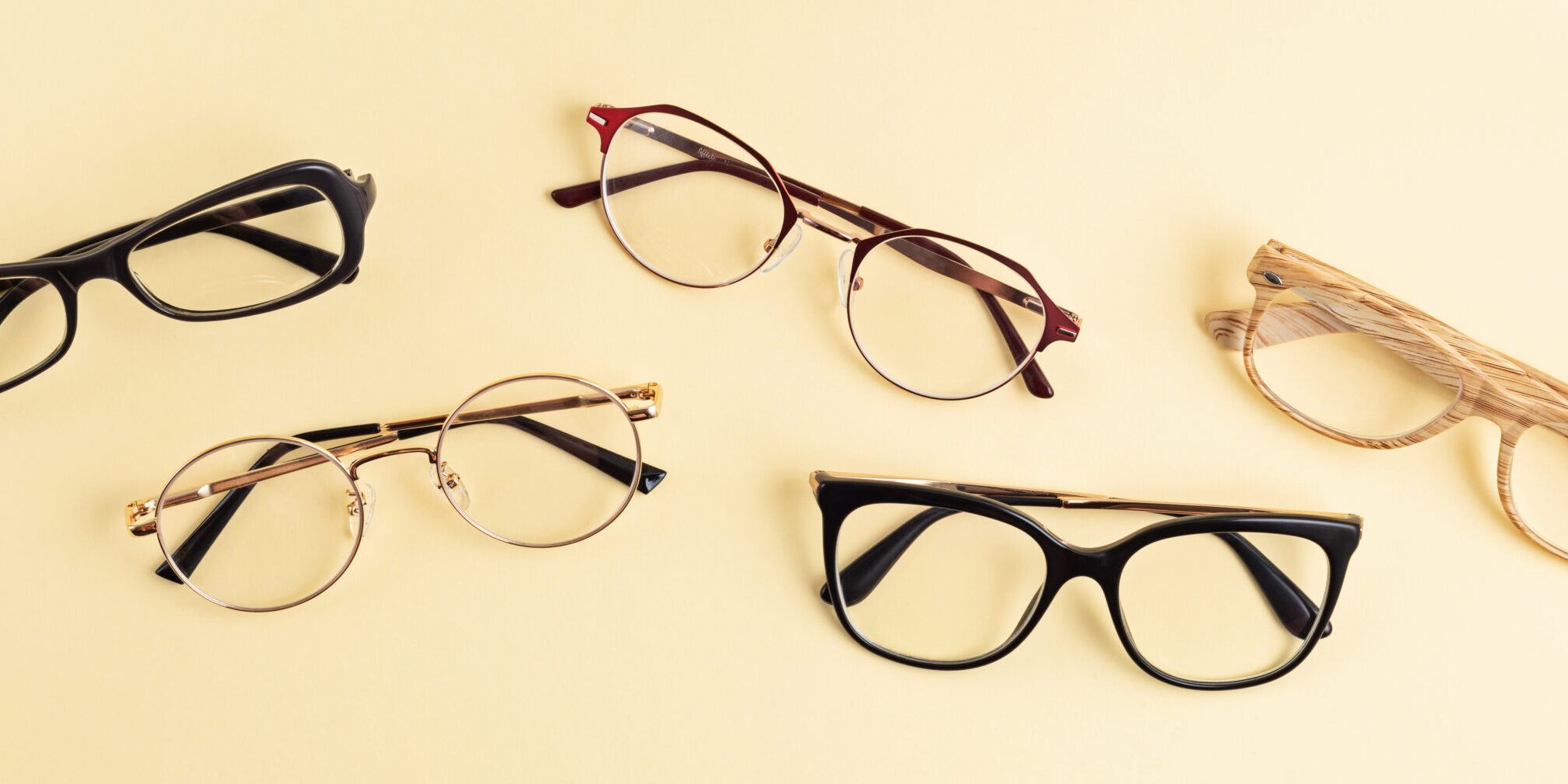
Frame types and how they behave with prescriptions
Not all frame styles treat your lenses the same way. Here are the basics.
Full-rim frames
Full-rim frames completely surround the lens.
- Best support for higher prescriptions
- Great at hiding thicker lens edges
- Work well with most lens materials and designs
These are usually the safest choice when you want style and structure working together.
Semi-rimless frames
Semi-rimless frames hold the lens at the top with an open lower edge.
- Lighter and more minimal than a full rim
- Modern, professional look
- Better suited for mild to moderate prescriptions
They can work with higher prescriptions if lens thickness and shape are planned correctly, but full rim is usually easier.
Rimless frames
Rimless frames attach the temples and bridge directly to the lenses.
- Very lightweight and minimal
- Let your face stand out more than the frame
- Less protection for lens edges and drill holes
These are best for lower prescriptions, impact resistant materials like polycarbonate or Trivex, and careful handling.
Frame materials that work well with prescriptions
Frame material affects weight, durability, and how well a frame supports thicker lenses.
Acetate and other plastics
- Naturally thicker, which hides lens edges nicely
- Great for stronger prescriptions and bold styles
- Available in many colors, patterns, and shapes
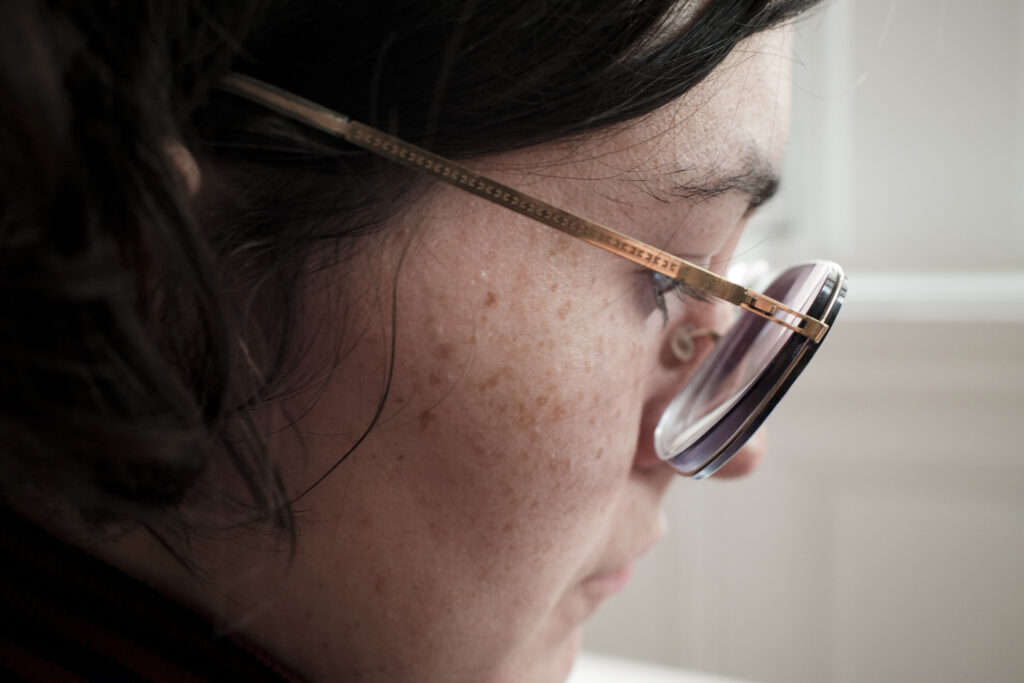
Metal and titanium
- Slim, clean, and adjustable
- Titanium is especially light and strong, good for all-day wear
- Works well with many prescriptions when frame size is chosen carefully
For higher prescriptions, look for metal frames that are not overly large, and consider designs with slightly thicker eyewires for better support.
Performance materials (TR90, nylon, sport styles)
- Flexible, durable, and often used in sports or active frames
- Great for mild to moderate prescriptions, safety wear, and outdoor use
These shine for people who are hard on their glasses or always on the move.
Frames to be cautious with in high prescriptions
- Very oversized frames
- Rimless or delicate wire styles
- Deep “dropping” shapes like classic aviators
- Wraparound sport frames with significant curve
They can still work in some cases, but usually need careful planning, high-index or polycarbonate materials, and realistic expectations about thickness and edge appearance.
Where independent optics and rxotulsa come in
- More flexibility to match frame style with prescription reality
- A wider range of materials and designs to support stronger or more complex prescriptions
- The ability to protect both clarity and appearance, not just one or the other
You get a frame you love on your face, and lenses that perform the way they should.
The bottom line: style and prescription can work together
- Supports your prescription
- Feels comfortable all day
- Fits your face and your personality
When those pieces line up, your glasses stop feeling like a compromise and start feeling like part of you.